How to Choose an AEO Agency
The buyer's side of answer engine optimization: the four layers a real program covers, twelve questions with the answers that should worry you, what it costs, and the cases where hiring anyone is the wrong move.

Hub
Get found and named in ChatGPT, Perplexity, Gemini, and Google AI.
Webxhives guides on answer engine optimization (AEO) and generative engine optimization (GEO): answer-ready content, entity clarity, structured data, AI crawler access, brand hubs, and how to measure whether ChatGPT, Perplexity, Gemini, Claude, and Google AI Overviews mention your business.
The buyer's side of answer engine optimization: the four layers a real program covers, twelve questions with the answers that should worry you, what it costs, and the cases where hiring anyone is the wrong move.
AEO and GEO
Every AEO tool runs the same mechanic: a sampled prompt list against a few engines. Here is what they actually measure, the sampling problem nobody prices honestly, and the free cycle to run before you subscribe.
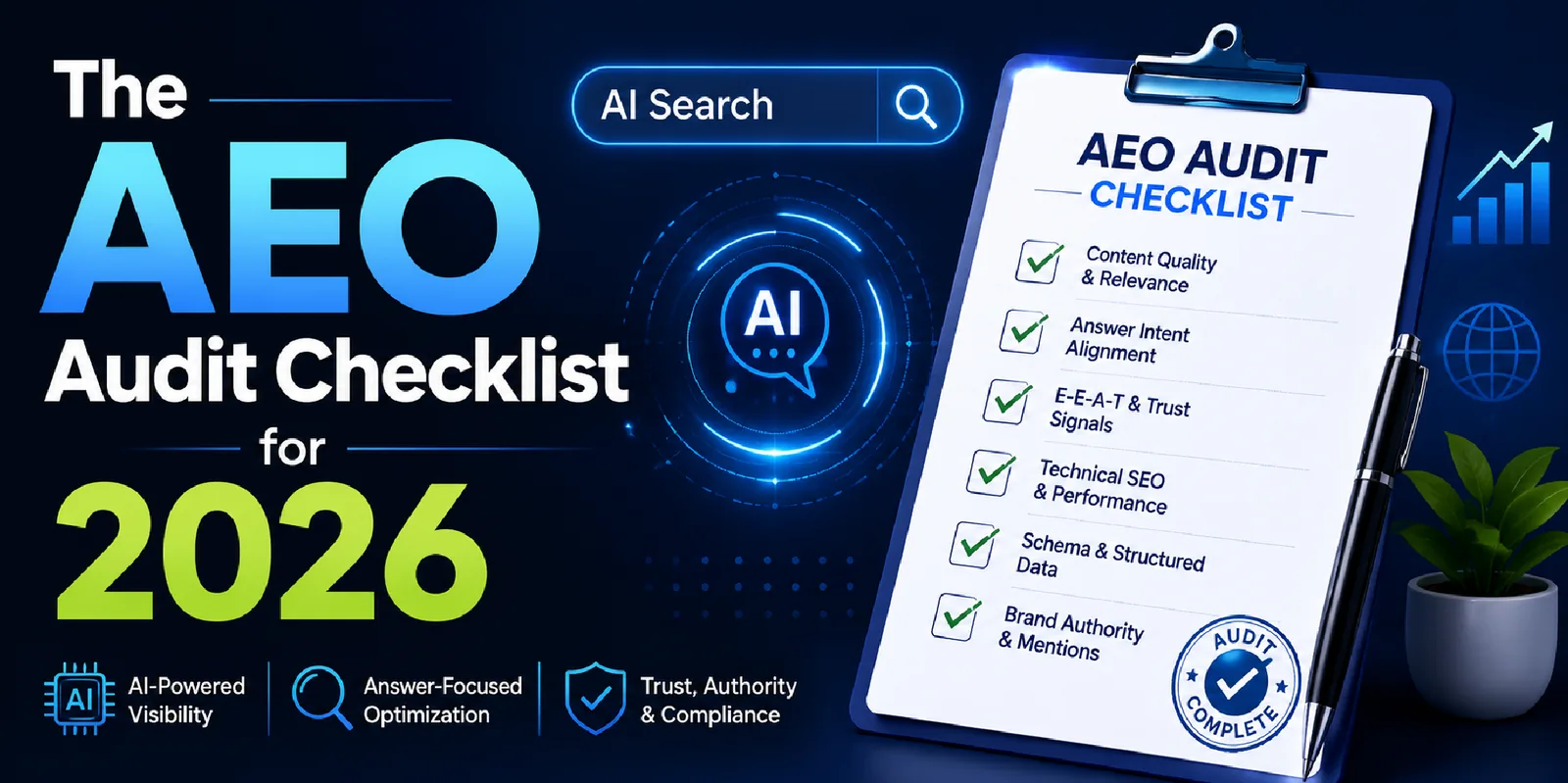
An interactive AEO audit with a weak-versus-strong example for every item and a live self-scoring widget. Grade your site in five minutes.
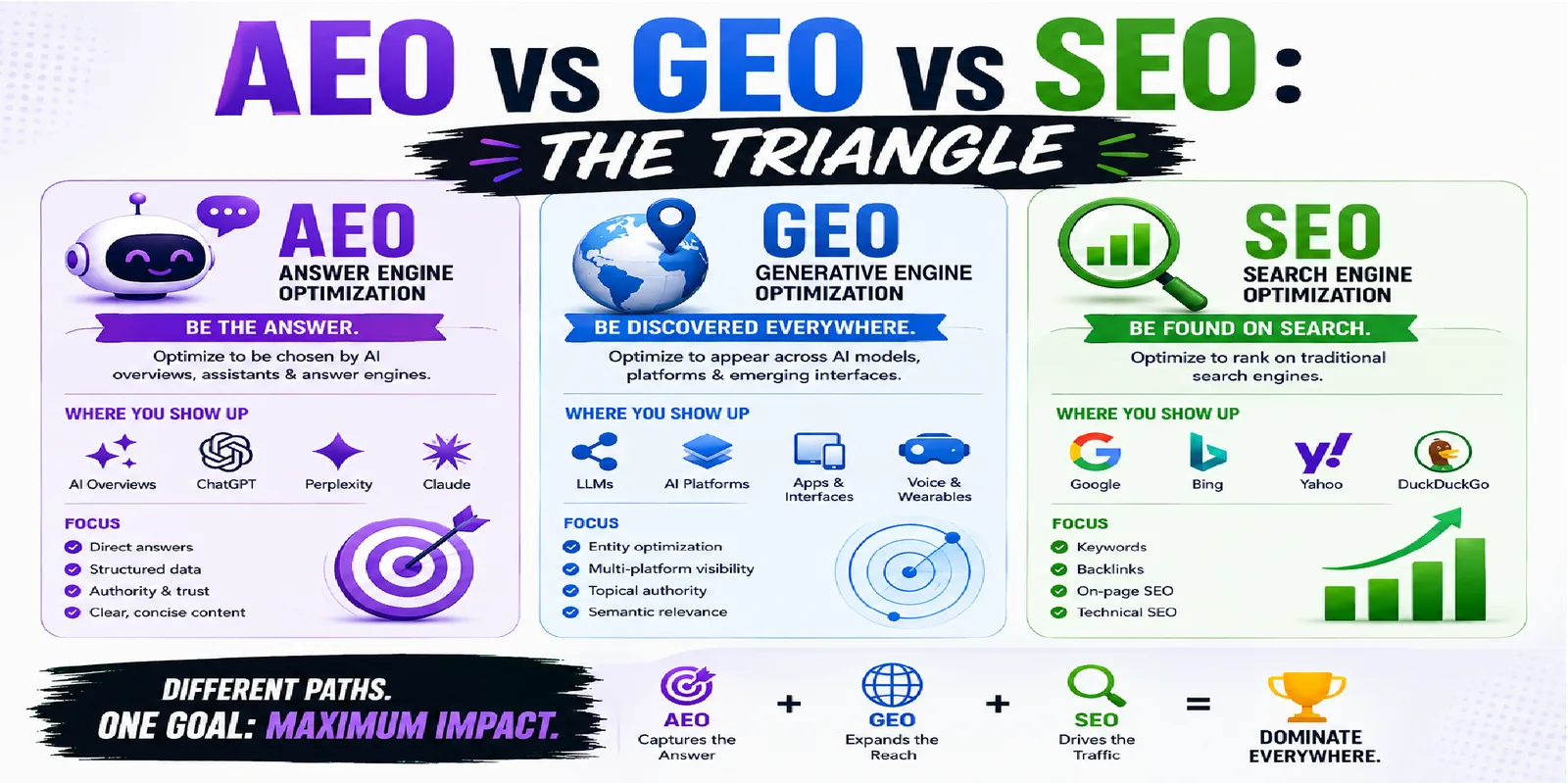
SEO is the foundation. AEO is the snippet game. GEO is the synthesis game. They are not competitors. Run them as one program and they compound.
Answer engine optimization is how a brand gets cited inside ChatGPT, Perplexity, Claude, Gemini and Google AI Overviews. What AEO is, how it differs from SEO, and the playbook to run.
Generative engine optimization is how brands get named inside AI-written answers. What GEO is, the five pillars of a GEO program, and where it parts company with classic SEO.
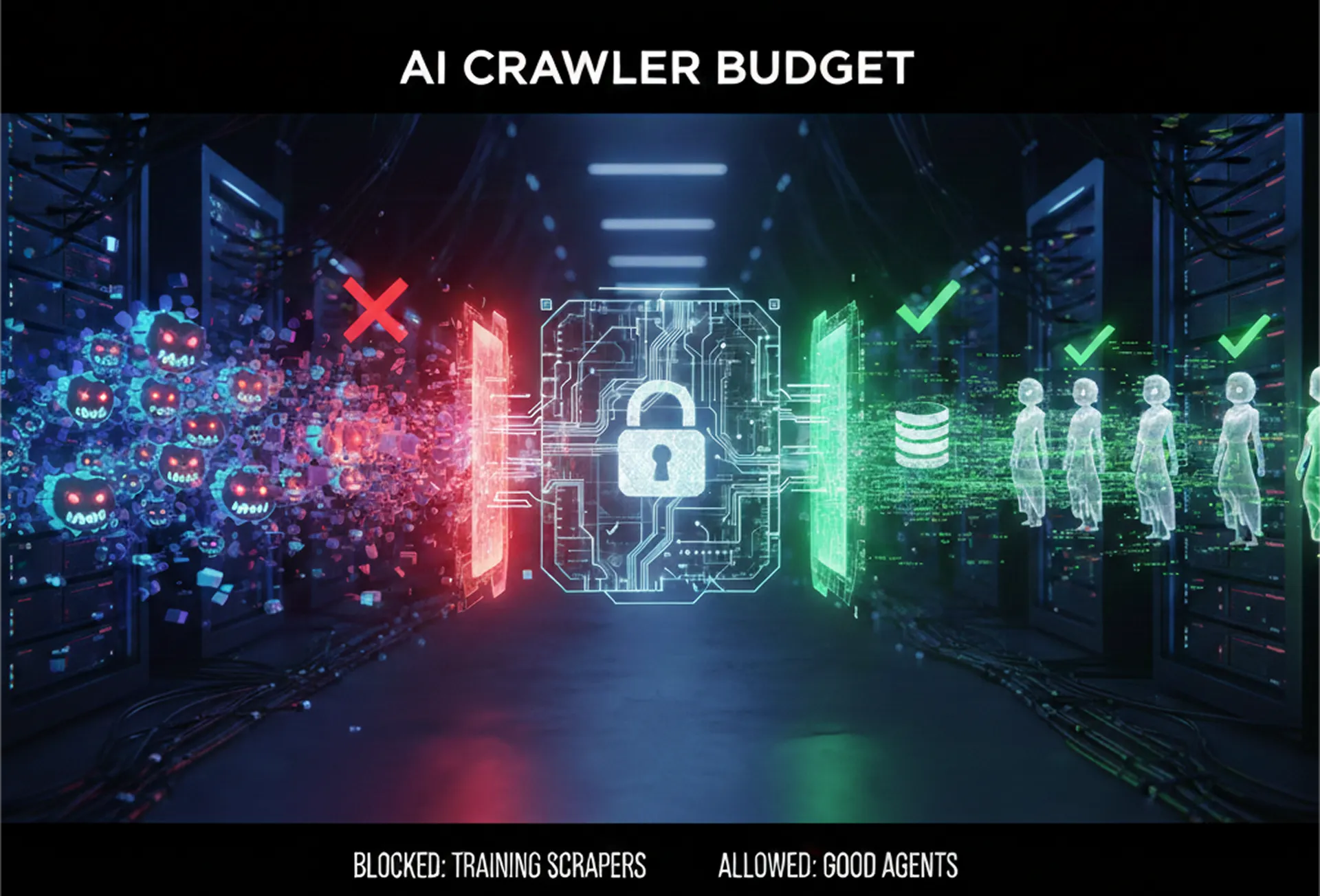
Robots.txt now decides which AI companies train on your pages and which cite them. Updated October 2026 with Google's AI Overviews opt-out, Cloudflare's 15 September changes and the agents that may ignore robots.txt.
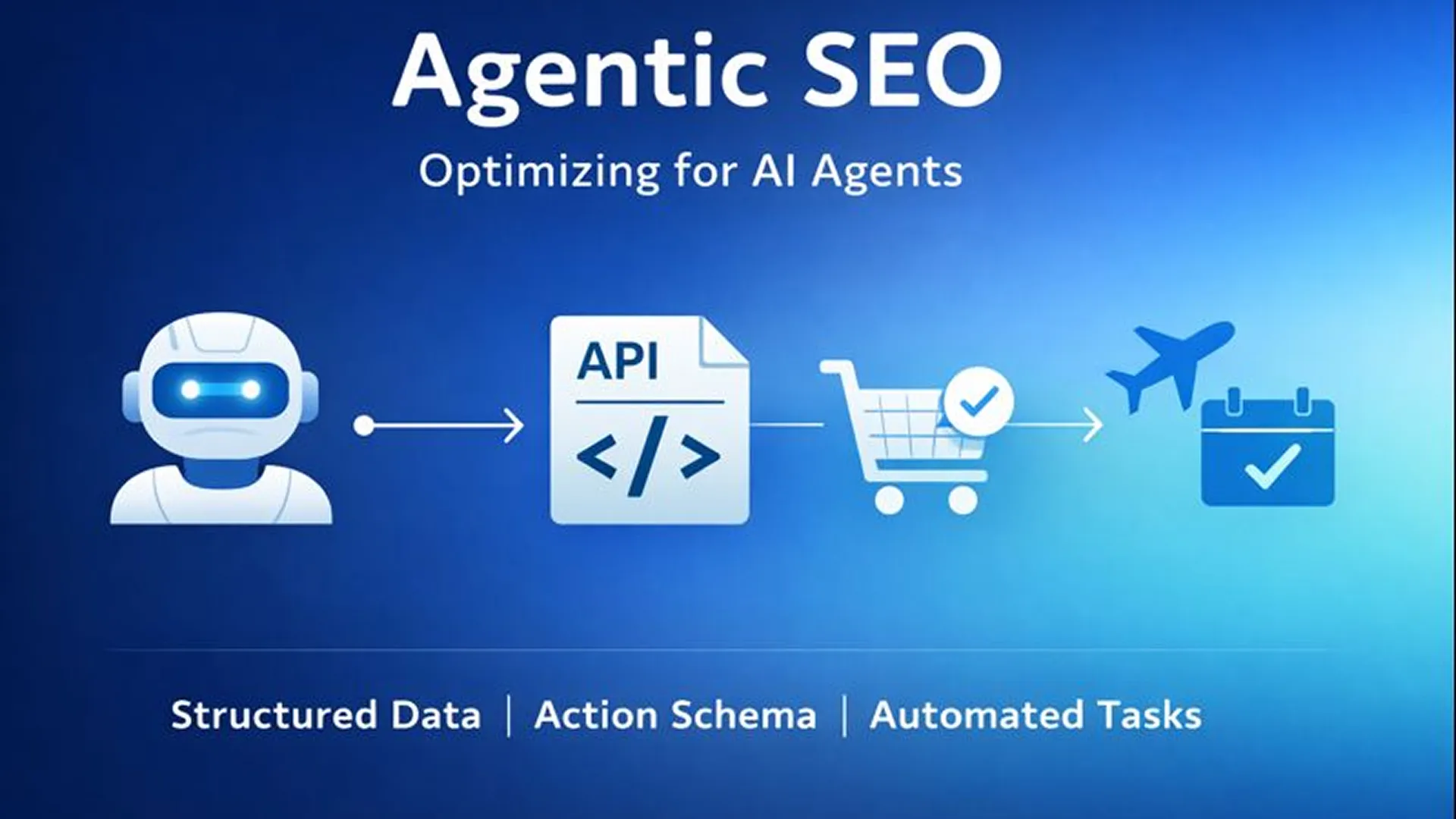
Why Agentic SEO Matters Now Redefining Ranking: From Keywords to Capabilities Agents Don’t Read HTML; They Read APIs Structured Data for Agents: Action Schema Schema Beyond Flat Pages: Nested JSON-LD Engineered Discovery
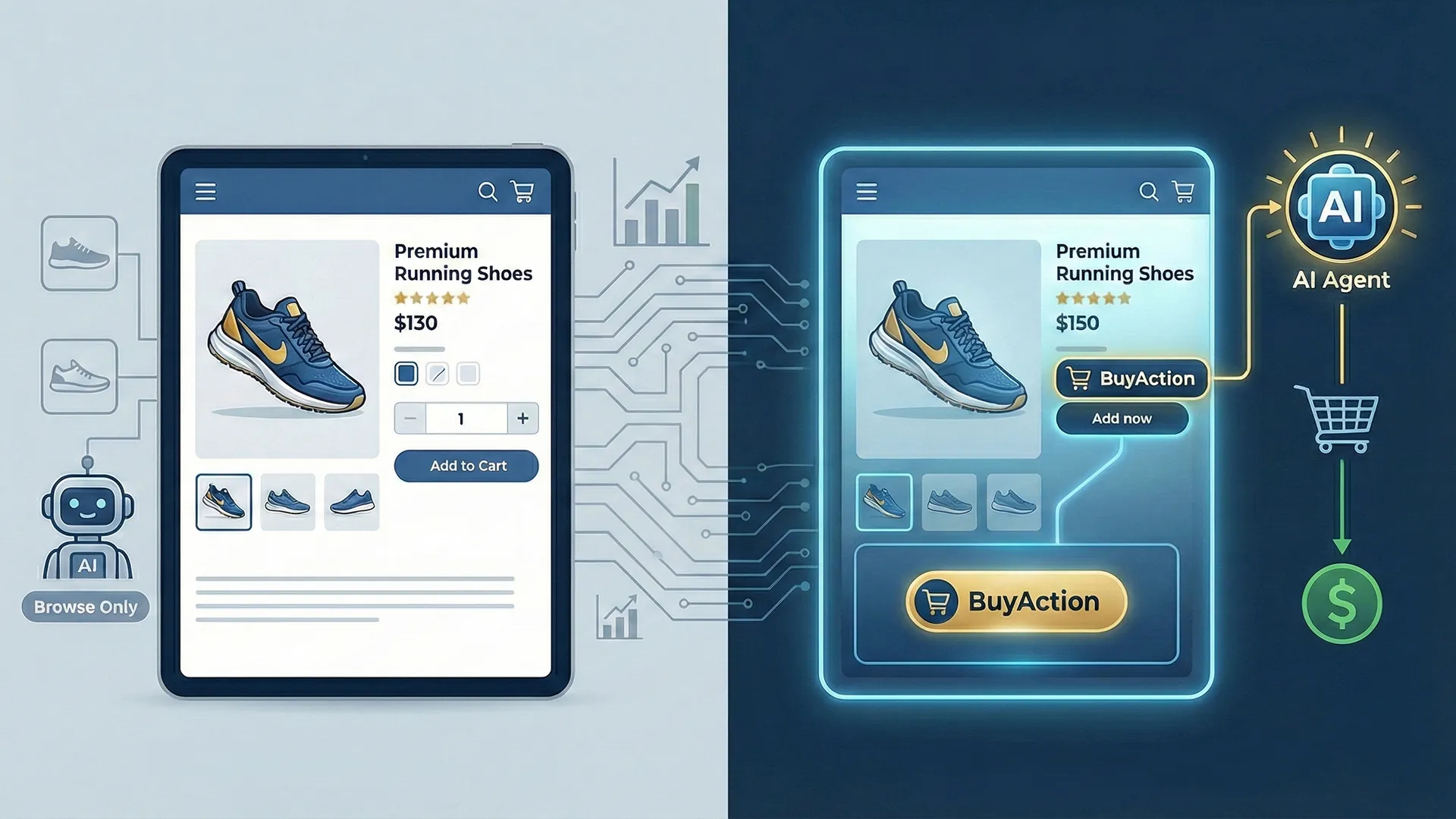
Where Schema.org BuyAction and potentialAction fit beside the protocols AI shopping agents use in 2026: Google's UCP, OpenAI's ACP and WebMCP.
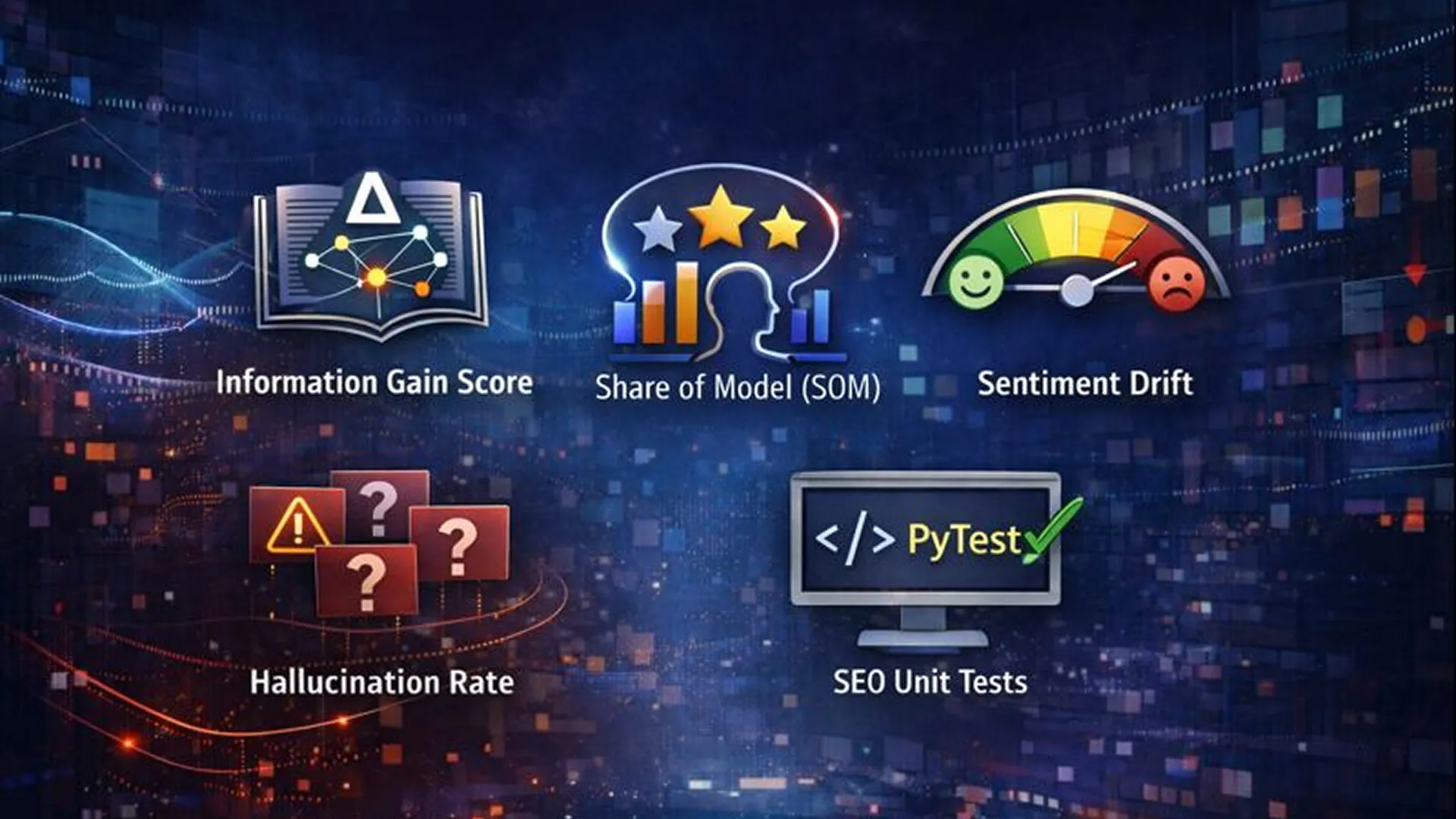
Move beyond traditional rankings. Learn how to engineer brand authority using Information Gain scores, Share of Model (SOM) tracking, and automated SEO unit testing to prove value in an AI-first ecosystem.
The era of human-centric SEO is ending. Learn why forward-thinking CTOs are pivoting to “API-First SEO” to ensure their product data is structured, discoverable, and transactive for the emerging wave of autonomous purcha
LLMs process concepts, not strings. Learn to engineer a proprietary Knowledge Graph, use nested Schema, and master Entity SEO to future-proof your brand.
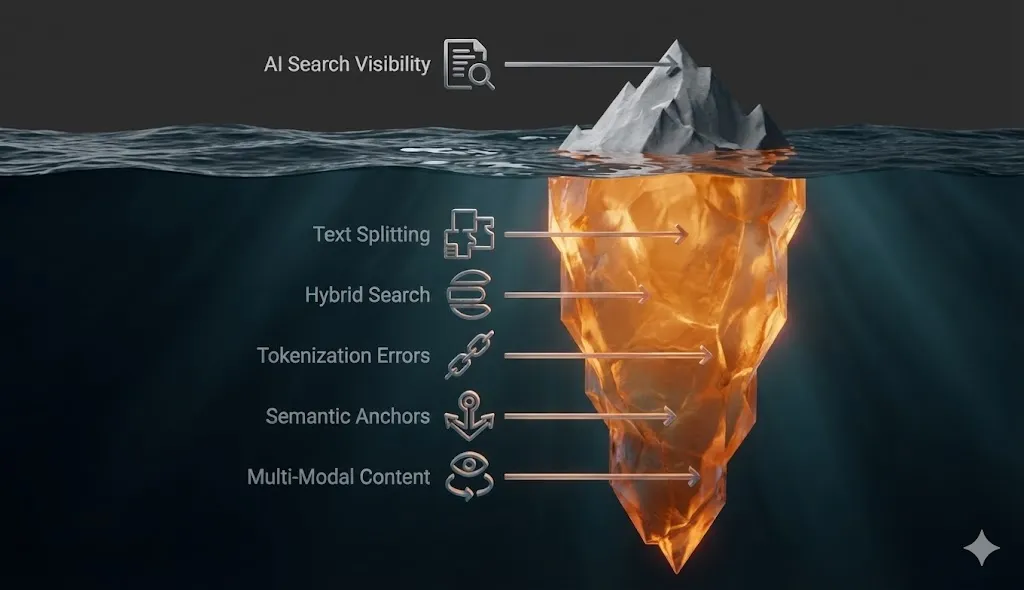
Master AI Search mechanics. Learn to optimize text splitting for RAG, fix tokenization errors, and reduce vector distance for hybrid retrieval.
Adopt a security-first mindset for brand consistency in AI. Learn how to use adversarial prompting to stress-test AI models and uncover critical gaps in your public data strategy.
Sentiment drift inside AI engines now propagates within 12-24 hours of negative press. The Q2 2026 monitoring playbook, from the probing pipeline through to counter-injection and re-measurement.
Share of Voice is obsolete. Discover the Share of Model (SOM) and the “Citation Frequency” methodology to measure your brand’s visibility in ChatGPT and Gemini.
Information gain is the new dominant ranking signal. Audit your content inventory for cosine similarity to the SERP centroid, prune the redundant, inject orthogonal data. Q2 2026 playbook, with the baseline rules that make the result readable.
Boost corporate E-E-A-T by linking founder profiles to company entities. Learn the JSON-LD, Knowledge Graph, and Entity Reconciliation strategies required for this task.
Description Use Google’s Natural Language API to measure Salience. If your score is low, the AI thinks your topic is a footnote. A technical guide for content auditing.
Stop AI from confusing your business with competitors. Learn how to use ‘SameAs’ schema and Citation Triangulation to secure your brand identity in LLMs.
Learn how to use Wikidata as a strategic proxy for Wikipedia. A technical guide for PR managers on leveraging structured data and immutable IDs to establish “Brand Truth” in AI and Knowledge Graphs.
Nested JSON-LD with @id anchoring is the 2026 standard for AI retrieval. Flat schema is now actively penalised by Perplexity and ChatGPT. The GraphRAG-ready architecture, and why explicit entity edges stop a brand-name collision.
Move beyond alt-text. Discover how Multi-Modal RAG allows AI to “read” your charts and infographics directly, and why optimizing image pixels is the new frontier of technical content strategy.
Header architecture is now the structural rulebook for AI retrieval. Question-format H2s, answer-first paragraphs, deeper H3 nesting. The 2026 GEO content playbook with Q2 chunking-size updates.
Stop optimizing strings. Start optimizing tokens. Learn how BPE fractures unique brand names into nonsense and how “contextual anchoring” restores their meaning.
Hybrid retrieval is the operating system of modern AI search. BM25 for keyword precision, dense vectors for semantic recall, and optional late-interaction reranking. CTO playbook for production stacks.
Deep dive into the parsing layer of LLMs. Learn how RAG pipelines read your content, why fixed-size splitting fails, and how recursive character splitting turns your formatting into an API for AI search visibility.
Explore the benefits and future trends of AI content personalization in enhancing user experiences and marketing effectiveness.
AEO and GEO
New AEO and GEO guides from Webxhives, sent when they are published.
No spam. Unsubscribe any time.
Ready when you are
Send us your website and your goal. We will tell you honestly what should be done first.